Derek Sanderson had traveled to New York in October with a group of friends and realized on arrival that he had nothing. No cash, maxed-out credit cards, no identification, and nobody answering their phone.
“You sit on a bench to think about it, and then you get drunk, and it’s the next day, and then you are sleeping under bridges,” Sanderson told Institutional Investor. “I couldn’t hold a thought for very long. I was sick, and I was scared.”
At one point he spotted a man in a suit passed out on a bench in Central Park with a bottle beside him, and went to take it. The man woke up.
Embarrassed, Sanderson asked him a question he had been getting away with for most of his adult life.
“Do you know who I am?”
“Yeah,” the man said. “You’re a drunk, just like I am.”
Derek Sanderson’s money, in three numbers:
| Amount | |
|---|---|
| 1972 contract with Philadelphia | $2.65 million |
| Net worth at 28, in 1975 | about $4 million |
| Annual salary, Boston schools job | about $17,000 |
How did Derek Sanderson get sober?
His own summary of the two years that followed the park bench runs to three words. “Blotto. I don’t remember much.”
He checked himself into detox thirteen times across that period, with Rod Gilbert finding him in Central Park and getting him into a Manhattan facility on one occasion and Bobby Orr doing the same in Chicago on another. None of it held.
What he does credit the stranger with is the first crack in the story he had been telling himself.
“That’s the first time it hit me. I was making excuses for myself,” Sanderson said.
READ MORE: Derek Sanderson turned up to the Cup final in a tuxedo
The turn came in 1980, in a field near his hometown of Niagara Falls, Ontario, where he fell to his knees and prayed to be either cured or killed. He has no memory of how he got from there to the Hôtel Dieu hospital in Saint Catharines, where he checked himself in. He has been sober ever since.
The rebuild started at the bottom. An unpaid job as an assistant golf pro in Andover, Massachusetts, room and board only, then running alcohol and drug awareness programs in Boston’s public schools for around $17,000 a year. He married Nancy Gillis in 1986, had two sons, and eventually built a second career managing money for professional athletes, telling them in plain terms what had happened to his own.
“I’m lucky I’m alive,” he said.
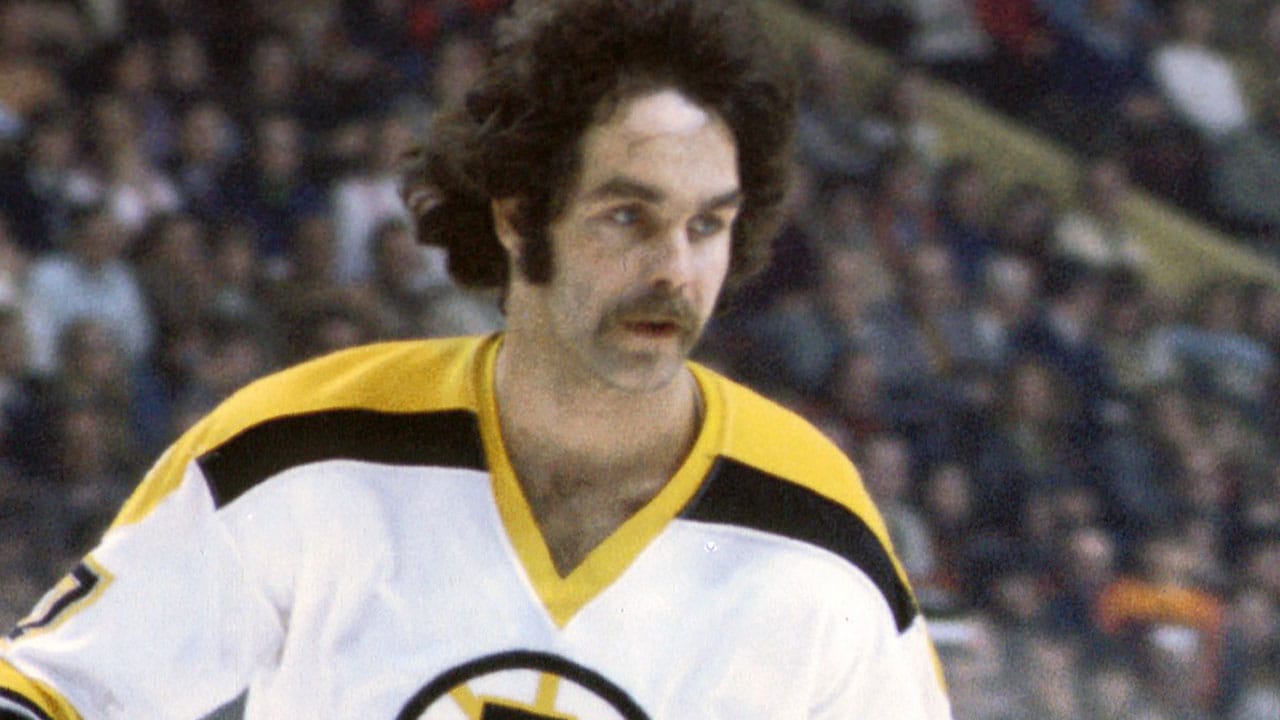
Sanderson won the Calder Trophy in 1968, two Stanley Cups with the Boston Bruins, and set up Bobby Orr for the most famous goal in hockey history in 1970.
Read more: