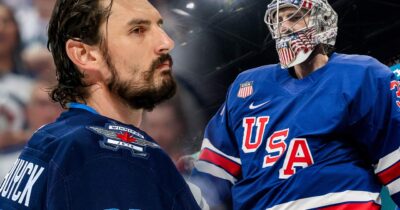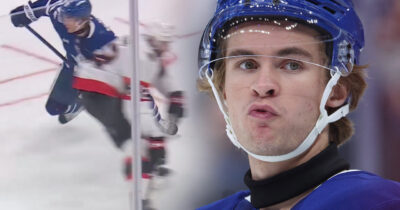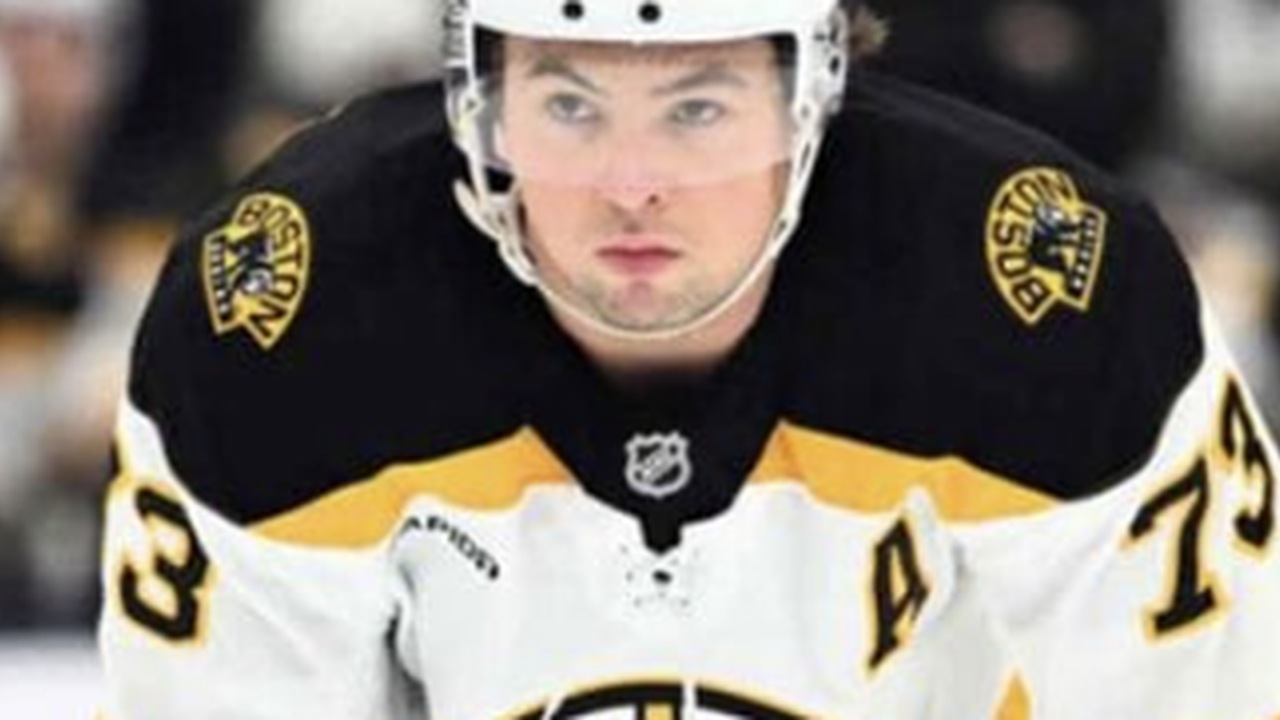
Three players will not be available when their teams open the season. Two of them are serving league suspensions earned last spring. The third is different.
Charlie McAvoy, six games
The Bruins defenceman was suspended for six regular-season games for slashing Buffalo’s Zach Benson in Game 6 of Boston’s first-round series on 1 May. The slash came at 18:29 of the third period and brought a major penalty and a game misconduct on the spot.
Because it happened in the playoffs and Boston’s season ended, the games carry into this one. He is eligible to return once Boston has played six.
Ridly Greig, two games
The Ottawa forward got two regular-season games for punching Carolina defenceman Sean Walker during a playoff game on 25 April. The Department of Player Safety announced the ruling on 4 May and classified it as roughing.
Same mechanism as McAvoy: playoff act, regular-season penalty, served at the start of the next season.
Connor Hellebuyck, indefinitely
This one is not the league’s doing.
Hellebuyck asked Winnipeg to trade him and confirmed it publicly on 27 August. When he did not report to training camp on 16 September, the Jets suspended him without pay. That suspension has no set length. It ends when he reports, or when he is traded.
He is still a Winnipeg Jet. General manager Kevin Cheveldayoff has denied that any deal is in place, and the reason he wants out was never only about hockey. We went through what the suspension actually changes when it was handed down.
Why the difference matters
A Player Safety suspension is a fixed sentence with a return date attached. McAvoy and Greig know exactly which games they miss and when they are back.
A club suspension for failing to report has no such date, and no salary attached either. Hellebuyck’s ends when the standoff does.